
The fashion industry has called for more diversity: But has it really changed?
- pelumik462
- Apr 21, 2023
- 6 min read
Updated: Apr 24, 2023

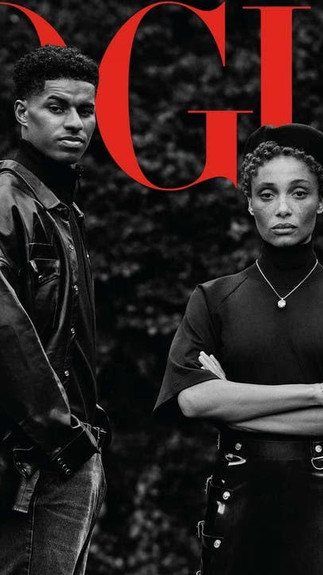


Gone are the days of size zero supermodels
Since the 200s the fashion industry has gone through a significant transformation. These changes have been widely seen as important steps in the right direction and have provided a platform for broader conversations about diversity and inclusion within the industry. However, the events of the summer of 2020 have demonstrated that there is still much work to be done to achieve true diversity and inclusion in the fashion industry. Despite these conversations and promises of change, the fashion industry is still struggling to fully embrace diversity and inclusivity.
For years, the industry has perpetuated harmful stereotypes and unrealistic beauty standards, promoting a narrow definition of beauty that excluded people of colour, different body types, and individuals with disabilities. As society becomes more diverse and inclusive, the fashion industry is being called upon to reflect this change.
One significant shift that has taken place in recent years is the move away from the "size zero" supermodels that dominated the industry in the past. Brands and designers are now showcasing a more diverse range of body types on the runway, from curvy to plus-size models. This change has been driven in part by the body positivity movement, which seeks to promote self-love and acceptance of all body types.
Similarly, there has been a push for greater representation of people of colour in the industry. While progress has been made, there is still a long way to go. Black models are still significantly underrepresented on the runway, and those who do make it to the top often face discrimination and mistreatment. In addition, many brands and designers have been accused of cultural appropriation, using elements of different cultures without proper acknowledgement or respect.
The summer of 2020 was a turning point for the fashion industry, as the Black Lives Matter protests swept across the country. In response to this, many companies declared their support for people of colour and the Black community but has the industry kept its promise? Despite the growing presence of people of colour on global runways, statistics show that they remain vastly under-represented and rarely acknowledged in the industry, their accomplishments and potential achievements are often dismissed.


"Many try to fake it on set, producing ashy-looking make-up or creating frizzled damaged hair in the process."
“While I am new to the industry it didn't take me long to realise that don’t know how to work with dark skin ’,” she tells me.
“ I often end up giving make advice to the professionals behind the scenes. “
This has historically been a problem in the fashion industry, where certain races were favoured over others and a limited range of beauty standards was upheld. Ultimately, stereotyping and tokenism are the greatest concerns. This has historically been a problem in the fashion industry, where certain races were favoured over others and a limited range of beauty standards was upheld. Ultimately, stereotyping and tokenism are the greatest concerns. Certainly, this narrow view of beauty continues to discriminate against people of colour, perpetuating harmful and outdated stereotypes that have no place in modern and inclusive society. The fashion industry needs to embrace a wider range of beauty standards and celebrate the unique features and characteristics of individuals from diverse backgrounds.
This shift towards greater inclusivity is not only important from a social justice perspective but also makes good business sense. Consumers today are more conscious of social issues and are more likely to support brands that prioritize diversity and inclusivity. Ultimately, it is up to the fashion industry to continue to challenge itself to do better when it comes to issues of diversity and inclusion. By promoting representation and celebrating different perspectives and experiences, the industry can help create a world where all individuals feel seen, valued, and celebrate.
“It’s a huge problem” Jamesshares Alex james a professional fashion photographer of 16 years.
“This is why we have partnered with betrue models campagin.”
Alex says she often gets negative feedback from clients when she proposes models of colour for big jobs:“
“I’ve asked my advertising clients so many times, ‘Can we use a black girl?’ They say no I am often surprised by the number of people I work with who have no idea on how to light or work with people of colour. It is like I am constantly trying to battle ignorance on set.”
“As a white person, I am aware that a black photographer or hair stylist would have to work twice as hard when it comes to different hair textures and creating looks while white hair stylists get to opt-out. Often my models of colour will show up on set with their own makeup products/wigs and that is not ok .”
Fashion designers can have a significant impact on representation and diversity in the fashion industry. Through their creative decisions, they can choose models, clothing styles, and accessories that reflect a wide range of cultures, backgrounds, and body types. Additionally, they can use their platform to raise awareness and promote inclusivity in the industry.

Fashion designers Alice and Maine Arielle owner of Sisters and Seekers says
“When it comes to diversity and who represents our brand equality is not only essential but it is preferred."
"There is a general misconception that people of colour can only be used for certain things as if we don’t buy clothes or shop.’’
‘’we hand-pick our models personally instead of going to agencies I prefer to scout people online. There is so much talent on Instagram and social media that often goes unnoticed.’’
“we create clothes for any and everyone so the people on my website should reflect that”.


The up-and-coming model Abi Malc recalls that pivotal moment in May of 2020 when the Black Lives Matter movement was on the rise.
"With five years of modelling under my belt, I have learnt how to be prepared for pretty much anything.”
“I wish I could say that being a black model is not different but it is "
"As a woman, I relate to many models when it comes to sexism and other things."
"However, it is obvious that they don't relate to me when it comes to the struggles that I face."
" Despite the progress, they say the industry has made I still come prepared on sets when it comes to her and make-up wigs are a lifesaver."
"I often feel like my skill and time don't matter when I get booked for things rather they just need me to fill a diversity quota."
"When I get booked or hired for things I want it to be because of merit and talent. "
"Working in the industry can be a hit-and-miss especially when it comes to big. I do everything myself because I refuse to rely on anyone but myself."
So how can the fashion industry create real change? The statistics highlight the need for greater diversity and inclusivity in the fashion industry, particularly when it comes to behind-the-scenes teams such as hair and makeup artists. Hiring people of colour is simply not enough. When black models are selected the people behind the scenes often don't know how to work with different hair textures or do make-up for dark skin. This is a problem because it leads to a lack of proper representation and can result in black models appearing unprofessional or not true to themselves.
A lack of diversity on set can result in a lack of cultural competency, with some hairstyles and skin tones not being properly understood or represented. This can lead to under-representation and cultural appropriation, perpetuating harmful stereotypes and a lack of authenticity in the industry. It is important for companies to actively work towards creating more diverse teams, and to provide education and training to ensure that all team members have the necessary skills to work with a range of hair and skin types.
This will help create a more inclusive and respectful industry that better represents the diverse communities it serves. It is true that the fashion industry still has a long way to go in terms of diversity and inclusion, particularly for black models. Despite some progress in recent years, the industry remains largely homogeneous, with few opportunities for models from diverse backgrounds.
This lack of representation sends a message that certain groups are not valued or worthy of attention, which can contribute to harmful stereotypes and discrimination. The industry needs to continue to work towards greater representation and inclusivity, and for designers, brands, and other stakeholders to actively address these issues we must continue to elevate the voices of Black models and other underrepresented communities in the fashion industry, to ensure that their experiences and perspectives are heard and taken seriously.


Comments